







"54% of Republican voters and 62% of independents approve of government setting price caps on certain products to limit how expensive they get," tweets Frank Luntz.
54% of Republican voters and 62% of independents approve of government setting price caps on certain products to limit how expensive they get.
— Frank Luntz (@FrankLuntz) August 16, 2026
👉🏻 https://t.co/LM77hqSma7 https://t.co/HxWT3hjTyy
"Economic illiteracy always heads one way: Power to the state," adds a tweet by David Bahnsen.
Economic illiteracy always heads one way: Power to the state https://t.co/hxpnGwFbcE
— David L. Bahnsen (@DavidBahnsen) August 16, 2026
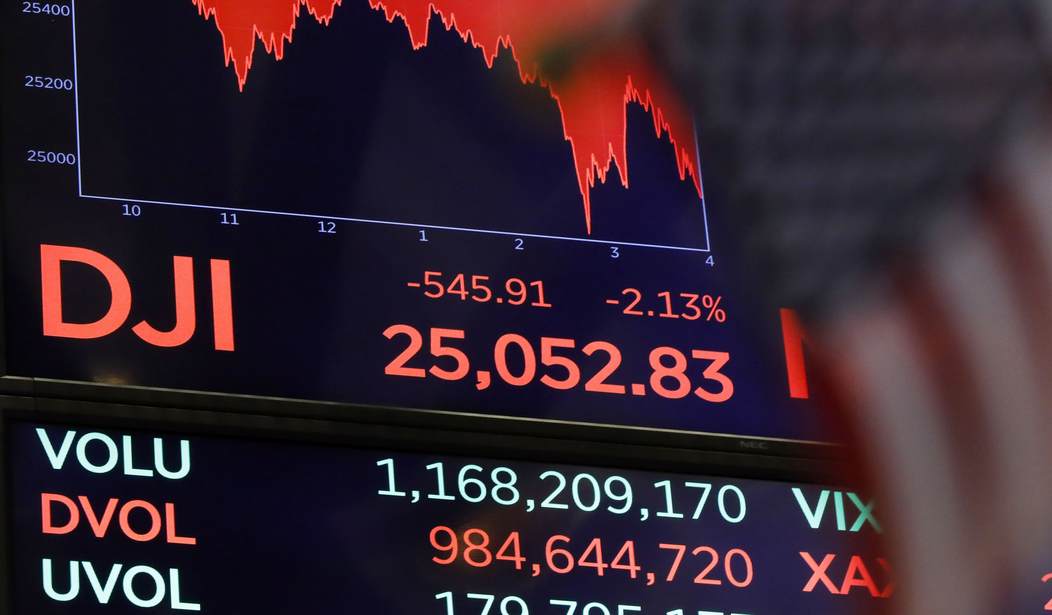
Economics is not a practice that an elite group of wonks engages in during the week, leaving the remainder of the nation a set of numbers to operate from in daily life. Economy fuels every pore of our nation, the United States. It does so because freedom of choice, the right of the individual consumer to purchase goods and services, determines in large part what is sold and what is not offered, based on demand.
Price caps would ostensibly set artificial, inelastic price ceilings for products. It is a major deal because it affects the economy in two major ways. One, it drives businesses to sell at certain prices, limiting the potential for profit and thereby for production, reinvestment, and other expenses related to the product being sold. Two, it deprives consumers of true demand opportunity, which does not tell businesses, the economy, and the nation the whole story about what purchasers want at a moment in time and what goods and services are generally desired. So it harms a free market economy because it does not represent it fully.
It also gives over power to the state, real economic power, as Bahnsen points out. That is dangerous. The state has delegated powers, and others are reserved to the people who can exercise them through the economy. An apple is worth what a consumer is willing to give up for it, not what a regulator arbitrarily decides.
It is human nature to begin to get weak-kneed when things become difficult. That causes a reaction of cessation in order for instant relief, which can likely result in serious and long-term ramifications. A price control or limit here and a regulation there can scuttle our economy before we have any idea what hit us. We must examine carefully what rights we want to retain and what powers beyond which the government shall not go.
Editor’s Note: The radical Left will stop at nothing to enact their radical gun control agenda and strip us of our Second Amendment rights.
Help us continue to report on and expose the Democrats’ gun control policies and schemes. Join Twitchy VIP and use promo code FIGHT to receive 60% off your membership.


Join the Conversation
VIP members get the ability to comment on articles.