








As a Floridian, I've heard quite a bit about this new trend lately.
There are two things happening in my area (South Florida) and wondering what’s going on in yours.
— Adam Wasch | Franchise Lawyer (@adamwasch) September 16, 2026
1) Parents are taking their (very average athletic) kids out of school, sending them to online school and paying a sports facility to train them in their sport; and
2) Parents…
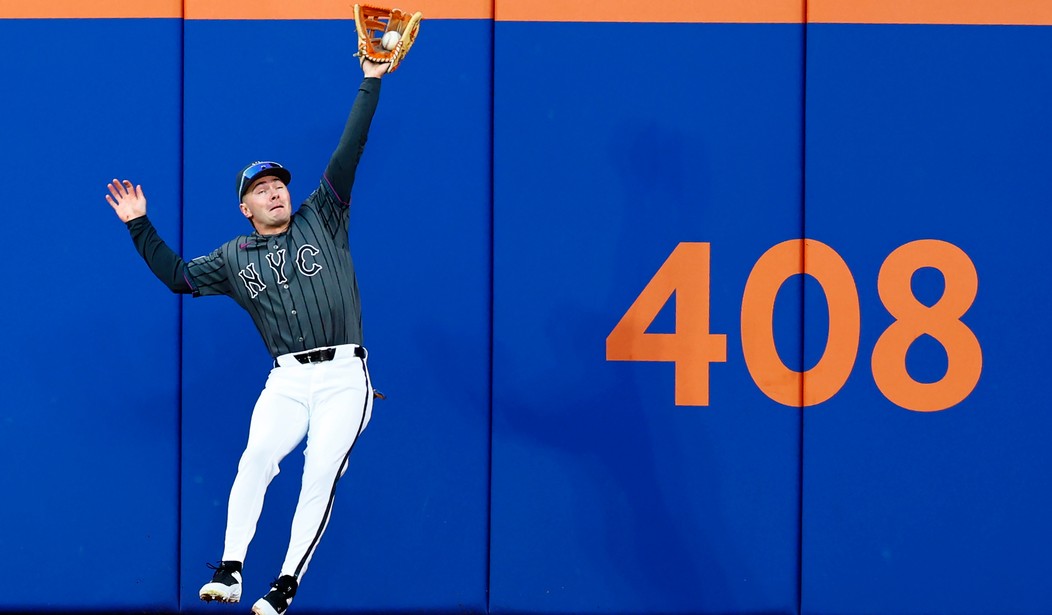
On one hand, I recoil at this. I don’t believe sports should become the totality of a child’s life. I had a kid who played baseball throughout high school, and while it taught him discipline and many other valuable lessons, it was an adjustment when it ended.
Thankfully, he chose firefighting as a career, and the camaraderie of the firehouse helped ease that “loss.” It was a loss. My son had spent hours every single day playing baseball, training for baseball, or going to the gym to get better at baseball. When it was over, it felt akin to losing a best friend.
Thankfully, he had also focused on his studies, easily got into the fire academy, and life went on.
For the young men attending these new “sports academies,” I have concerns. Statistically, very few of them will ever make it to the pros. A few more will play Division I, and several more will play at state colleges or JUCOs — but for most, baseball will be over after high school. Are these schools developing well-rounded individuals?
We are seeing that a ton in Texas. Kids in class online maybe 30 minutes a day and just working out or playing all day long. What middle school kid will say no to that? But my real question is, do you really think this is good for kids and their future? https://t.co/zxI8IdB67C
— Coach Clarke Isenhower (@CoachCI1) September 16, 2026
One upside? These kids will buck the very American trend of unhealthy teens. That's a silver lining, for sure. Can they read and do math, though?
A: Getting into a prestigious college as an athlete / on a sports scholarship.
— Dre Baldwin | #WorkOnYourGame (@DreAllDay) September 16, 2026
(There is much less competition getting into Uni as an athlete than as a mere student. Parents are gaming the system.) https://t.co/ENgKwvPr0k
That may be true, but athletic scholarships are scarce. Many parents spend so much on extra coaches and private trainers that they could have simply saved the money and paid for college outright.
Yes, being a recruited athlete can help with admissions, and that belongs in the calculation. Even so, it is a great deal of sacrifice for a very slim chance of a payoff.
For as alarming as these trends are, I will point to one subset of families who are taking this route for reasons that I find at least somewhat defensible.
— No Risk(a), No Reward (@NoRiskaNoReward) September 16, 2026
Parents whose kids have ADHD (often with an ODD kicker) and are struggling in conventional schools. Not academically, but… https://t.co/4OUZKaDk8c
Obviously, there are children thriving in these intense programs. As long as parents are closely paying attention to the academics and ensuring their children are ALSO being well educated, it seems much less nefarious.
The problem in many of these scenarios is a coach has sold them on the fact their kid could be a D1 player and if they take his/her private lessons; it will help get them there. Many times it’s nothing but a money grab and false hopes. Shameful on these “coaches” doing this…
— Carolina Funder (@Carolina_Funder) September 16, 2026
Ultimately, families should look hard at why they chose this kind of schedule. They need to assess how their child is actually doing in these schools, then decide based on what serves the whole person — not just the athlete.