





"Interesting," tweets Hugh Hewitt. "Common sense-driven Midwesterners (and those who retired to AZ) can't be bothered to talk to strangers about political views (which are common-sense driven and thus should be obvious to everyone.)"
Interesting. Common sense-driven Midwesterners (and those who retired to AZ) can’t be bothered to talk to strangers about political views (which are common-sense driven and thus should be obvious to everyone.) https://t.co/4VuXBjA9CO
— Hugh Hewitt (@hughhewitt) September 27, 2026
Here is the tweet Hewitt reposts about places where reaching Republicans is hard.
States where Republicans are hardest to reach in polls Per Echleon Inisghts
— OSZ (@OpenSourceZone) September 27, 2026
Most Hidden Republican Voters:
🔴 Iowa
🔴 Indiana
🔴 Michigan
🔴 Ohio
🔴 Arizona pic.twitter.com/e013Y5VJk6
Looking out over the map of the United States, it is discernible that we have 50 states joined together by a union but somewhat separate in varying ways. The degrees to which a certain count of Republicans can be located to answer questions may be one of the differences the several states enjoy.
No one should be ashamed of his or her political views. Some people may not talk much about some of the things in life that they value. Some may have a lot of money, and they do not talk about it. Talking politics can be ticklish. Yes, as Hewitt has reason to publish, political views can be "common-sense driven." But still, some people may be hard-up to spit it out. Perhaps they fear Washington. Perhaps some do not want to spill the beans to a low-salaried surveyor. Perhaps some hold back their political opinions like they would national security secrets. Perhaps some have a concern about landing on the wrong list. Perhaps some are not proud of their own background or family history.
It people do not want to talk about politics, they have that right. That is one of the blessings of our nation. People have the right and privilege to put into speech or not what they determine fit.
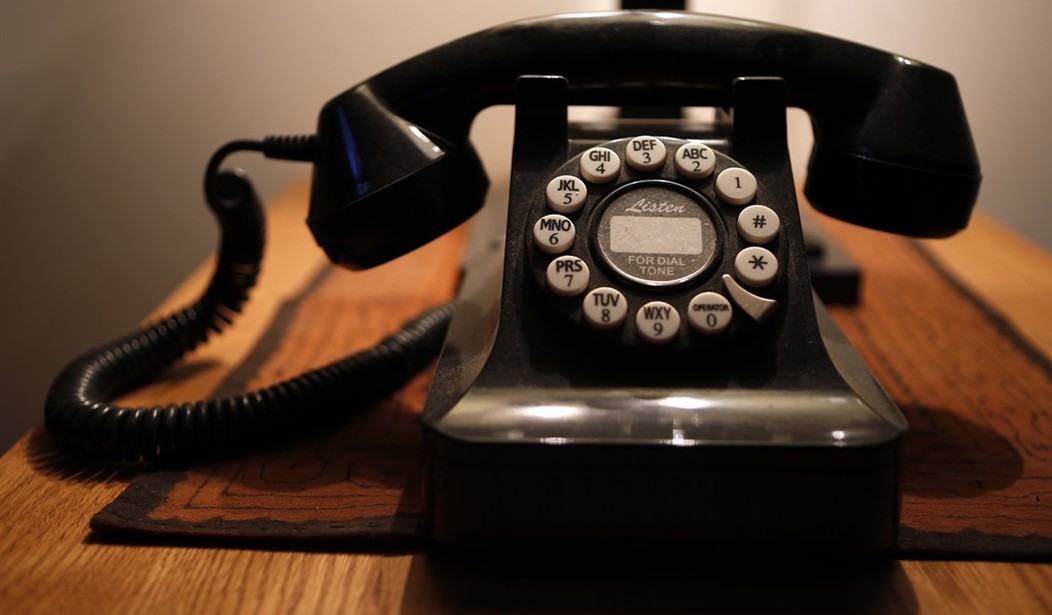
Technology should also be considered. Telephone polls are not what they used to be. Many Americans use cell phones rather than landlines, which could cause a harder time attempting to reach the ones who are initially marked out for survey.
The other aspect of this revolves around the geography and why certain states would be harder than others. There may not either be an easy answer to that. Some may think it is more politically powerful and advantageous to keep lips tight about political matters rather than, what they consider to be, leaking like a busted bucket. Others may be alert to the perceived potential that the other party could be using the polling mechanisms for crafty purposes. It is an interesting topic for discussion. Where there are consequential (to the distribution of power by party) and seemingly competitive (not foregone conclusions to reasonable people) national elections, there is where polling operations should be carefully examined.


Join the Conversation
VIP members get the ability to comment on articles.