








A portion of the court-ordered batch of State Department emails finally emerged on New Year’s Eve and was largely overlooked with the exception of some novelties: a Phillipe Reines-created flow chart to see who got to ride in the limo with then-Secretary of State Hillary Clinton, and Cheryl Mills’ “You look cute” response to the famous photo of Clinton checking her BlackBerry.
Bloomberg Politics correspondent Jennifer Epstein found something a bit more disturbing to those who still consider Benghazi a big deal, even if it happened a long time ago, dude. The names of some emailers are redacted, but a string of mails between members of Clinton’s staff shows how they attempted to kill a New York Times story being written by Eric Schmitt, who covers terrorism and national security issues, regarding the CIA and its annex in Libya.
The email first describes the staff’s “intervention with Eric last night and the Bureau Chief an hour or so ago” which “did not bring closure.” A follow-up email from a redacted sender to Tommy Vietor reads, “I am just not optimistic about this at all. NYT has an obligation to its readers, you know. But we should all remember that if this goeS forward we are in a no comment/no confirmation mode.”

In the end the New York Times went ahead with the story, despite the multiple protests of State Department staffers:
NYT has agreed not to identify the affiliation of the former Seals or of the annex. However, because of the thrust of the story as the loss of intel collection capability at a critical juncture, it will refer to the Agency’s presence and activities — for which he had good info, sadly.
In other words, Schmitt’s article made State look bad:
The attack has raised questions about the adequacy of security preparations at the two American compounds in Benghazi: the American mission, the main diplomatic facility where Mr. Stevens and another American diplomat died of smoke inhalation after an initial attack, and an annex a half-mile away that encompassed four buildings inside a low-walled compound.
From among these buildings, the C.I.A. personnel carried out their secret missions. The New York Times agreed to withhold locations and details of these operations at the request of Obama administration officials, who said that disclosing such information could jeopardize future sensitive government activities and put at risk American personnel working in dangerous settings.
In Benghazi, both compounds were temporary homes in a volatile city teeming with militants, and they were never intended to become permanent diplomatic missions with appropriate security features built into them.
Even before the terrorist attack in Benghazi, members of Hillary Clinton’s staff didn’t hesitate to contact the Times if it seemed a piece would make the State Department appear “dodgy and bureaucratic.”
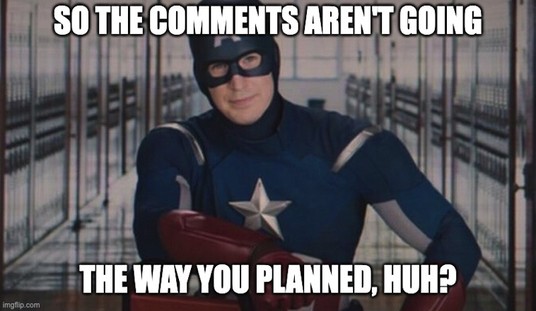
Pondering what to do when that darn NYT won't write the story the way you want them to: pic.twitter.com/DudaDrjHcJ
— Karen Tumulty (@ktumulty) December 31, 2015
@ktumulty What possible legal justification is there for redacting the name of their media contact trying to kill the story?
— Grant Bosse (@grantbosse) December 31, 2015
@ktumulty @michaeldweiss "President…is fundamentally an idealist." LOL!
— Against you we are all soldiers (@ScottCFarquhar) December 31, 2015

Join the Conversation
VIP members get the ability to comment on articles.